Solar Panels for Your Home: Costs, Savings Factors, and Choosing an Installer
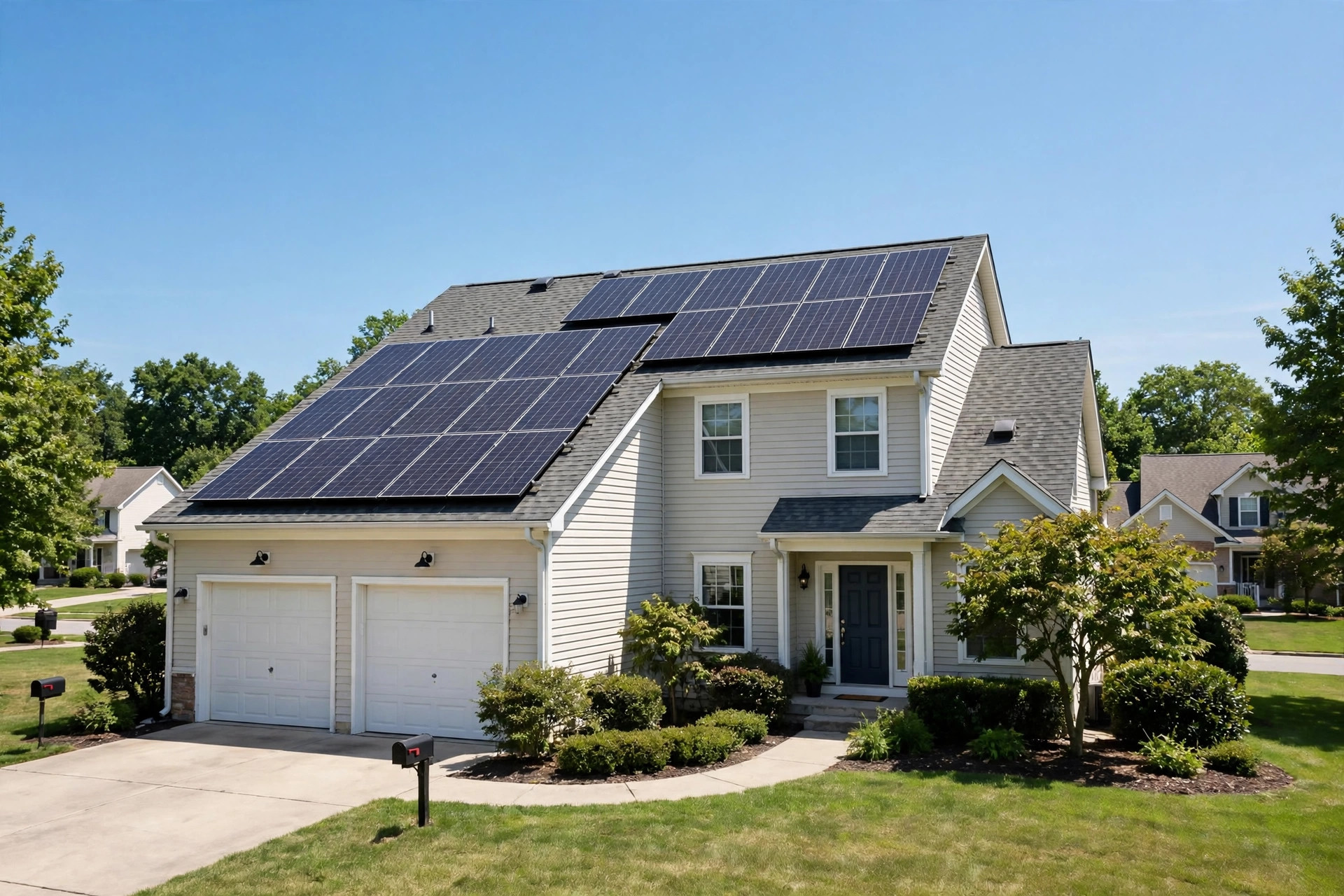
Rooftop solar is one of the biggest purchases a homeowner can make, and one of the hardest to comparison-shop: every house, roof, and electric bill is different, so every quote is different too. This guide explains the moving parts in plain language so you can judge proposals on equal footing.
How Home Solar Works
Panels convert sunlight to electricity, an inverter makes it usable in your home, and your meter tracks what you draw from and send back to the grid. Most systems are sized to offset part or all of a household's annual usage. Batteries are optional and add backup power during outages. How much a system produces depends on roof direction, tilt, shading, and your local climate.
What It Typically Costs
Price is driven mainly by system size, equipment tier, and the complexity of the installation — roof condition, electrical panel upgrades, and permitting all factor in. Federal and sometimes state or utility incentives can offset part of the cost. How you pay matters as much as the sticker price: buying outright, taking a loan, leasing, and power purchase agreements all distribute costs and benefits differently.
Things to Consider
- The age and condition of your roof — replacing it after panels go up is expensive.
- How long you plan to stay in the home, since savings build over years.
- Your utility's rules for crediting excess power you send to the grid.
- Warranties, which are separate for panels, inverters, and the installer's workmanship.
- Whether the quote's production estimates are realistic for your roof's shade and direction.
Questions Worth Asking
- What size system is this, and how much of my annual usage is it designed to offset?
- Are incentives included in this price, or do I claim them separately?
- What warranties cover the equipment and the installation work, and for how long?
- What happens to the system and its warranties if I sell the house?
The Bottom Line
Solar can make strong financial sense for the right roof and the right electric bill — and little sense for others. Compare complete proposals, verify the production estimates, and understand the financing before signing anything.
- Dental Implants: What They Are, What They Cost, and What to Expect
- Medicare Plans Explained: Parts, Coverage, and How to Choose
- Online Degree Programs: How They Work and How to Choose
- Walk-In Tubs: Features, Installation, and What They Cost
- Car Insurance Explained: Coverage Types and How to Compare Quotes
- Vacation Packages: How Bundling Flights and Hotels Works
- Fiber Internet: Speeds, Pricing, and How to Check Availability